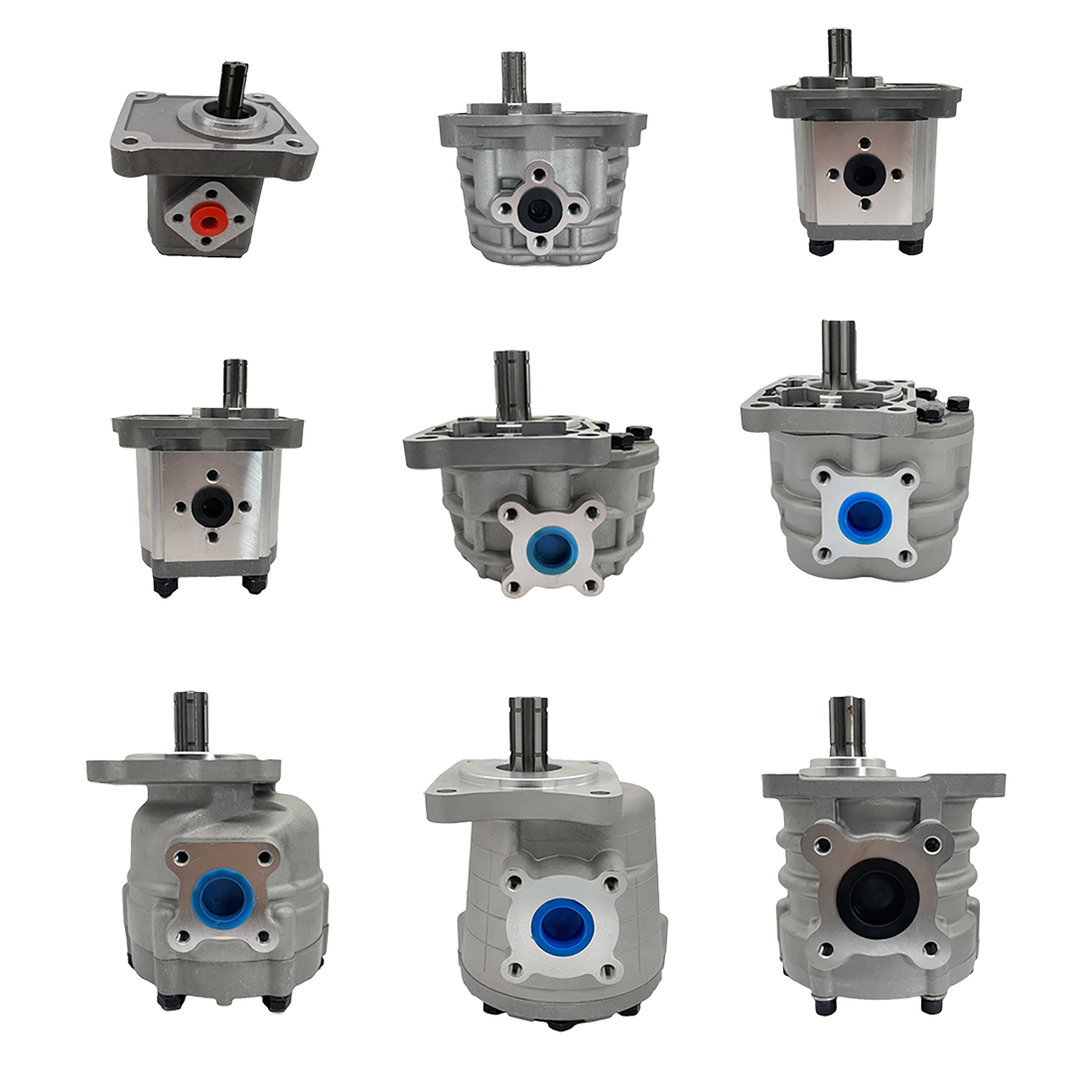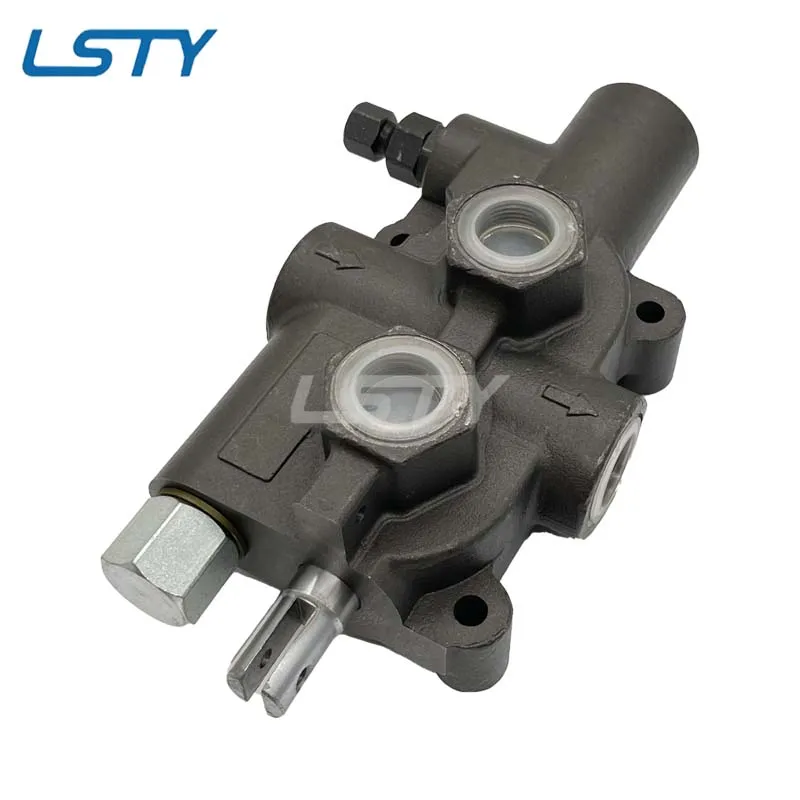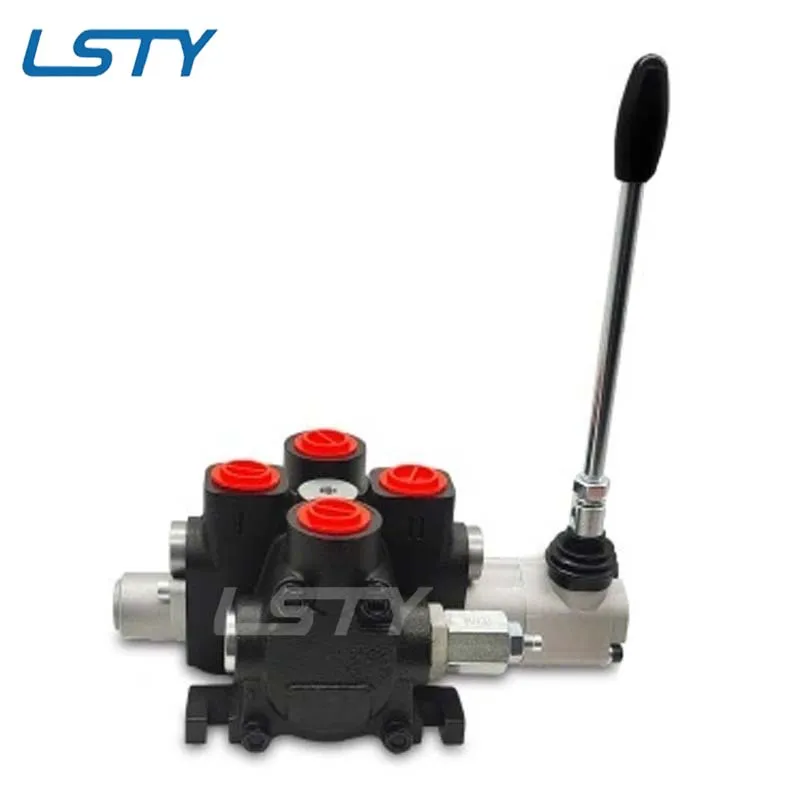





tandem center directional control valve
A directional control valve serves as the central nervous system of hydraulic machinery, directing fluid flow to actuators with precision. These components determine whether a hydraulic cylinder extends, retracts, or holds position—making them indispensable in applications ranging from agricultural equipment to construction machinery. Unlike simple on/off valves, modern directional valve control systems manage complex flow paths through multiple ports and sophisticated spool mechanisms. Their design directly influences system responsiveness, accuracy, and crucially—energy consumption.The physics behind energy losses in traditional directional control valve hydraulic configurations reveals why efficiency matters. Decoding Energy Loss Mechanisms in Conventional Directional Control Valves Understanding where energy vanishes requires examining three primary loss pathways: Throttling Losses:When a directional control valve partially obstructs flow to control actuator speed, it creates a pressure drop that generates heat. Traditional proportional directional control valves (PDCV) are particularly prone to this, as their design necessitates constant pressure relief during positioning tasks. Leakage Losses: Even microscale gaps between valve spools and housings allow pressurized fluid to escape, requiring pumps to work harder to maintain system pressure. Pressure Compensation Inefficiencies: Many systems use pressure relief valves to divert excess flow during partial-load operations. This "bypass" strategy converts valuable hydraulic energy directly into waste heat. LSTY's engineering team confronts these issues through precision manufacturing. Using fully automatic gear checking machines and computer-controlled testing rigs, they achieve valve clearances that minimize leakage while maintaining responsive directional valve control . Directional Control Valve Technologies Efficiency Breakthroughs Innovative valve architectures are rewriting efficiency expectations: Proportional Flow Control Valves (PFCV)represent a paradigm shift. Unlike conventional directional control valve hydraulic designs that rely on pressure relief, PFCV circuits create "artificial leakage paths" between actuator chambers. This allows excess pump flow to recirculate with minimal pressure drop. LSTY integrates similar principles in their hydraulic circuits, recognizing that energy recovery is paramount for mobile equipment where cooling capacity is limited. Electrohydraulic Pump-Valve Coordinationmerges the precision of valve control with the efficiency of pump regulation. By parallelizing pump and valve commands—using adaptive robust controllers—systems maintain positioning accuracy while slashing energy demand. Maximizing Directional Control Valve Efficiency Beyond hardware, control algorithms dramatically influence directional valve control efficiency: Fuzzy-PID Hybrid Controllersoutperform conventional PID systems by dynamically adjusting valve response. A "double-layer" fuzzy system continuously tunes valve parameters based on load feedback and tracking errors.LSTY's technical team—with their decade of hydraulic control experience—leverages such strategies when developing custom solutions. Semi-Active Variable Mass Systemsoffer revolutionary efficiency for slow-cycle applications like solar tracker orientation. While distinct from traditional directional control valves , this principle informs LSTY's approach to low-duty-cycle mobile equipment. Adaptive Robust Algorithmsmathematically guarantee stability while minimizing control effort. These systems distinguish between "useful" energy (driving motion) and "waste" energy (fighting disturbances), optimizing valve signals accordingly. D irectional V alve C ontrol : Industry-Specific Applications and Future Outlook Valve efficiency innovations manifest differently across sectors: Agriculture: Tractor hydraulic systems demand valves that handle dusty conditions while minimizing engine load. LSTY'sfocus on agricultural pumps and valves prioritizes robust sealing and low leakage. Their cooling water pumps complement efficient valves by maintaining optimal thermal conditions. Construction: Excavator boom controls benefit immensely from PFCV technology. Energy savings when replacing conventional directional valves with artificial leakage circuits—directly translating to lower fuel costs for fleet operators. Transport: The move toward electrohydraulic power steering demands ultra-efficient directional valve control . LSTY'sautomotive-grade valves leverage lessons from their engine cooling pumps, emphasizing reliability under thermal stress. FAQs about Directional Control Valve Efficiency What makes traditional directional control valves energy inefficient? Conventional designs inherently waste energy through throttling losses (restricting flow creates heat), internal leakage (fluid bypassing seals), and reliance on pressure relief valves during partial-load operation. These factors can consume a system's total energy input. How do directional control valve hydraulic improve efficiency? D irectional control valve hydraulic create controlled leakage paths between actuator chambers, allowing excess pump flow to recirculate without pressure drops. Can control algorithms really impact directional control valve energy consumption? Absolutely. Fuzzy-PID controllers dynamically adjust valve response to minimize "fighting" between components, reducing energy waste over fixed-parameter systems. Advanced algorithms also enable pump-valve coordination, avoiding overpressure conditions that waste energy. Does maintenance affect directional control valve efficiency? Critically. Worn valve spools increase internal leakage, forcing pumps to compensate. Regular maintenance—using precision components like LSTY's hydraulics—preserves micron-level clearances. Their testing rigs ensure valves maintain specifications throughout service life. How should I select directional control valves for energy-critical applications? Prioritize valves with: Precision manufacturing tolerances Flow paths optimized for low turbulence Compatibility with modern control strategies LSTY's technical team specializes in matching valve characteristics to specific mobile applications, ensuring balanced efficiency and performance. The quest for efficient directional control valve hydraulic systems represents more than technical curiosity—it's an operational imperative in an energy-conscious world. From artificial leakage circuits to intelligent fuzzy controllers, innovations prove that precise motion control and reduced energy consumption aren't mutually exclusive goals. Companies like HEBEI LONGSHENGTENGYU PUMP INDUSTRY CO., LTD exemplify this synergy, blending two decades of hydraulic expertise with modern manufacturing rigor. Their focus on agricultural and automotive applications—where efficiency directly impacts viability—demonstrates how purpose-driven engineering creates tangible value. As hydraulic systems evolve, the integration of efficient valves, intelligent controls, and system-level optimization will continue redefining what's possible in mobile machinery.
40 years of experience in manufacturing and 15 years of export experience

We can customize products according to the specific needs of customers.

High-quality products and strict test bench testing before package